
What is a sun-protective garment?
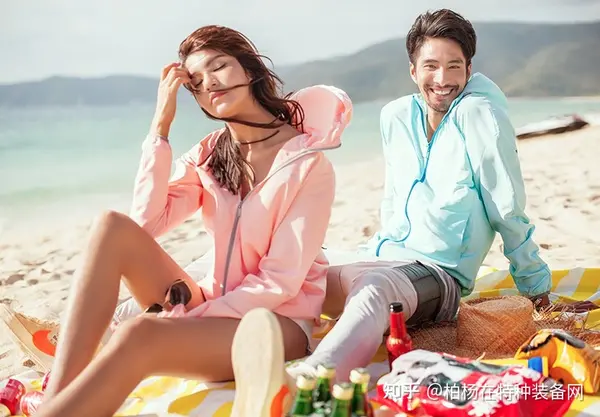
Sun protective clothing is useful, but it doesn't mean that wearing it will provide 100% protection. In areas with high UV intensity, it's best to use it in combination with other sun protection products.
The main function of sun protection clothing is to prevent direct exposure to solar ultraviolet rays, which is the same as that of sun umbrellas. Sun protection clothing is a type of clothing that can protect against the sun. Its principle is to add sun protection additives to the fabric to create a UV-blocking fabric. Some sun protection fabrics use ceramic micro-powders combined with fibers to increase the reflection and scattering effect of the fabric's surface on ultraviolet rays, preventing ultraviolet rays from penetrating the fabric and damaging the human skin. Using high-end professional outdoor sun protection clothing not only protects against the sun but also is breathable, water-resistant. It is suitable for outdoor travel and is a must-have for leisure activities.
The ordinary clothes we usually wear actually have certain sun protection capabilities. However, there is no definite standard for how much protection each piece of clothing can offer, and it is not the main consideration when designing. For example, a cotton T-shirt for summer can block about 50-70% of ultraviolet rays, while professional sun protection clothing can block more than 95%. Therefore, not all clothes can be called sun protection clothing.
The fabric of a sun-protective garment must meet strict standards for sun protection index to be considered a qualified product for preventing ultraviolet rays, and only then will there be a label for the sun-protective garment.
The ultraviolet protection factor of the product is greater than 40, that is, UPF > 40;
The long-wave ultraviolet light transmittance of the product is less than 5%, that is, T(UVA)AV < 5%.
Therefore, a qualified sun protection garment must have two characteristics: an UPF value of 40+ and an indication of GB/T18830-2009 (the standard for evaluating UV-protective products).
Furthermore, over an extended period of use and when exposed to stretching or moisture, the protective performance provided by this product may decrease. That is to say, if a sun-protective garment is worn for a long time or washed frequently, it will affect its sun protection effect.
The sun protection principle of sun protective clothing
How does sun protective clothing protect against the sun? Similar to sun umbrellas, sun protective clothing achieves its sun protection effect through physical blocking.
Pure physical sun protection
Simply relying on the tightness and thickness of the material to block ultraviolet rays has its drawbacks - it is thick and not breathable. However, nowadays the materials used for sun protection clothing are constantly improving. Common polyester fibers can largely achieve both lightness and breathability.
2. Additive Sun Protection
To make up for the shortcomings of pure physical sun protection, some sun-protective clothes add sunscreen additives, such as zinc oxide, making the clothes both lightweight and sun-protective. Although it is a chemical component, it does not cause any harm to the skin, and its sun-protective effect is not affected even after multiple washes. Therefore, this additive has also been widely used at present.
Why should we buy sun protection clothing?
Low-intensity ultraviolet rays, when they briefly touch the skin surface, do not cause much harm to the human skin. In fact, they can even be beneficial. However, if there is high-intensity ultraviolet rays combined with prolonged exposure, it can damage the skin in just a few minutes. Skin sunburn often results in peeling of the skin, causing pain for a few days before gradually recovering. But, to put it simply, if proper sun protection is not done, there is a possibility of developing skin cancer.
Sunscreen may not be effective enough if applied in insufficient amounts or in an uneven manner; sun hats are convenient but offer too little coverage; using sun umbrellas causes fatigue to the hands, and the face and arms will still be exposed to reflected ultraviolet rays from the environment. Therefore, getting a suitable sun-protective clothing can be said to be extremely necessary.
Do sun protective clothes work?
For those who are the first-time buyers of sun protective clothing, many of them probably have considered this question. Do sun protective clothes really have any effect? Sun protective clothing does have certain effects. According to the domestic standards for sun protection of sun protective clothing, a normal and qualified sun protective clothing can only block more than 97.5% of ultraviolet rays, not all of them. But it doesn't mean that wearing sun protective clothing can provide 100% protection.
All the sunscreen brands on the market cannot guarantee that you won't get tanned if you stay outdoors for a long time. So even if you wear a sunscreen shirt, if you stay outdoors for a long time or in areas with high UV intensity, you must apply sunscreen, use a sunshade umbrella and other forms of sun protection measures!
How to choose a sun-protective jacket?
Sun protection performance
The sun protection performance of a sun-protective jacket mainly depends on three aspects: UPF value, fabric, and color.
Check the UPF value
As mentioned above, the national standard (GB/T 18830-2009) stipulates that a garment can be called a sun-protective garment only if its UPF value is greater than 40 and its UVA transmission ratio is less than 5%. This is the sole indicator currently used in China to differentiate between ordinary clothing and sun-protective clothing.
Therefore, when choosing a sun-protective jacket, the first thing we should do is to check the label or the detailed product parameters when shopping online. Sun-protective jackets without indicating the UPF value or with an UPF value less than 40 are all scams! UPF 40+ can meet the daily commuting sun protection needs, while for outdoor travel, driving lessons and other outdoor scenarios, we need to choose UPF 50+ ones.
2. Examine the fabric
Which type of fabric provides the best sun protection for a sun hat? Currently, the common materials used in sun protective clothing on the market are mostly polyester (polyester), polyamide (nylon), or cellulose fibers (viscose, modal):
The sun protection clothing made of nylon fabric has good elasticity and is very durable. It feels soft and lightweight, providing greater comfort. Moreover, its cost is the highest among all fabrics.
Polyester fabric is more stiff and has better heat resistance than nylon.
The fabric is a blend of nylon and polyester, with its properties lying between the two. The higher the proportion of nylon, the softer the fabric will be.
The viscose fiber has excellent moisture absorption and breathability, and the fabric is soft and comfortable to wear.
Under the same conditions, the UV protection effect is as follows: polyester fiber (polyester) > polyamide fiber (nylon) > cellulose fiber (viscose, modal). A suggestion:
If you want high sun protection, choose sun protective clothing made of polyester fabric.
Those who seek comfort should choose nylon or sun-protective clothing with a certain amount of nylon content.
3. Observe the color
Which color of sun protection clothing has better sun protection effect? Everyone knows the principle of reflection and absorption. The more it reflects the sunlight, the less it absorbs, and the more obvious the sun protection effect will be. This is also related to things like wavelength frequency. In general, the darker the color, the better the sun protection. Don't be bothered by the fact that dark colors absorb heat. After all, it gets very hot when the sun shines! There is no need to worry about choosing the color of sun protection clothing. Just pick the color you like.
Dark colors are better than light colors. For example: red > black and gray > blue > white.
High saturation is better than low saturation. For example: dark blue > light blue.
Air permeability
Sun protection clothing mainly achieves the effect of blocking ultraviolet rays through physical shielding. Generally speaking, under the same material and color, the tighter the fabric and the thicker the fabric thickness, the better the ultraviolet protection effect. However, at the same time, its air permeability will be relatively poor, and wearing it in summer will cause a feeling of heat. When purchasing, you can pay attention to whether the sun protection clothing has designs such as air holes, air nets, or air layers, which can improve the wearing experience in summer.
Additionally, you can also choose based on your specific usage scenario:
For daily commuting, it's better to choose products that are breathable and comfortable. Brands like Ohsunny, Berhuihe, and Uniqlo offer lightweight options that are excellent choices.
For outdoor activities such as fishing hikes and sports trips, those with high protection and waterproof/durable windproof properties are preferred. Examples include high-protection UV100, professional outdoor brands like Kelos, Decathlon, and Northern Face, which are suitable choices for you.
For summer driving, the Ohsunny and Jiaxia UPF50+ models are sufficient. If you want a more secure option, choose the UV100 with higher protection.
Portability
Most sun protection clothes are worn outdoors. Whether they are portable and easy to store is also a consideration when making a purchase. Some sun protection clothes are made of very lightweight materials, and when folded, they are only the size of a palm. They are lightweight and don't take up much space when placed in a bag, making them very convenient to carry around.
Additional sun protection design
In addition, when making a purchase, you can also pay attention to whether the sun protection clothing has additional sun protection features. For example, sun protection clothing with thumb fasteners can effectively protect the hands when going out. And sun protection clothing with a face mask design can protect the face as well, providing a wider range of protection and being more practical.
Shading range (style)
In principle, the larger the shading range, the better. Therefore, features such as a sufficiently long front brim of the hat, a design with finger holes on the cuffs, and a large shading range of the face mask are all positive factors.
There are three main styles of common sunshades: shawls, short-sleeved sunshades, and long-sleeved sunshades. These three types have different coverage areas:
Sunscreen hood: The coverage area is the smallest. It is suitable for daily commuting and cycling. It is also the most breathable. When cycling, the wind can blow in, making you very comfortable.
Short-sleeved sun protection clothing: Suitable for both daily commuting and outdoor activities, with the strongest versatility.
Long-sleeved sun protection clothing: Provides the widest coverage, suitable for daily riding on electric bikes, as well as traveling to areas with intense UV radiation such as beaches, highlands, and deserts.
In summary, when choosing a sun-protective shirt, the key factors to consider are: UPF value, color, and material. At least, you should choose one with an UPF value greater than 40. It's best to go for a dark color, and polyester is the preferred material. By the way, be careful not to wash it too frequently as it will reduce the sun protection effect. Once or twice a week is sufficient.
Recommendations for Sun Protection Clothing Brands and Styles
The brands of good sun protection clothing are generally outdoor brands. These types of sun protection clothing usually have clearly marked UPF values and other protective labels. Moreover, outdoor sun protection clothing brands are mostly made of 100% nylon, which is different from the general commercially available sun protection clothing and has excellent sun protection effects.
The top 10 outdoor brands with good sun protection properties include: The North Face, Toread, Jack Wolfskin, Columbia, NORTHLAND, ARC'TERYX, Camel, Kailas, MobiGarden, and Decathlon.